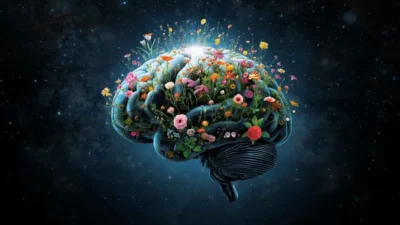

Dreams can sometimes feel so real that they stay in your mind long after you wake up. You may remember vivid colors, strong emotions, detailed conversations, or strange situations that seem almost impossible to forget. These intense and realistic experiences are known as vivid dreams. Many people search for the meaning of vivid dreams because they want to understand whether these dreams are connected to stress, emotions, mental health, spirituality, or hidden messages from the subconscious mind.
Vivid dreams are more common than many people realize. They can happen during periods of anxiety, emotional change, illness, pregnancy, sleep deprivation, or even after taking certain medications. Some people experience vivid dreams occasionally, while others have them almost every night. In some cases, these dreams may feel exciting and inspiring, but they can also become disturbing or emotionally exhausting.
From a scientific perspective, vivid dreams are closely linked to REM sleep, the stage where brain activity becomes highly active. Psychologists often believe dreams reflect emotional processing and unconscious thoughts, while spiritual traditions may interpret them as signs, symbols, or messages from a deeper level of awareness.
In this complete guide, you will learn the true meaning of vivid dreams, their psychological and spiritual interpretations, common causes, scientific explanations, and practical ways to reduce intense dreaming.
What Are Vivid Dreams?
Vivid dreams are dreams that feel extremely realistic, emotional, and detailed. Unlike ordinary dreams that are quickly forgotten, vivid dreams are often remembered clearly after waking up. They may include strong emotions, bright imagery, realistic sounds, or physical sensations that make the experience feel real.
Some people describe vivid dreams as being similar to watching a movie inside their mind. Others feel as though they actually lived through the dream experience.
Characteristics of Vivid Dreams
Common features of vivid dreams include:
- Highly realistic details
- Strong emotional reactions
- Clear memory after waking
- Intense colors and sounds
- Sensations like touch or movement
- Dreams that feel emotionally meaningful
Difference Between Normal Dreams and Vivid Dreams
| Feature | Normal Dreams | Vivid Dreams |
|---|---|---|
| Detail Level | Moderate | Extremely detailed |
| Emotional Intensity | Mild | Strong |
| Memory Recall | Often forgotten | Easily remembered |
| Realism | Low to medium | Very high |
What Does Having Vivid Dreams Mean?
The meaning of vivid dreams can vary depending on personal experiences, emotions, and mental state. In many cases, vivid dreams are connected to emotional processing and subconscious thoughts.
Emotional Meaning
Vivid dreams often appear during stressful or emotional periods in life. The brain may use dreams to process feelings such as fear, anxiety, excitement, sadness, or uncertainty.
Psychological Meaning
Psychologists believe dreams reflect the subconscious mind. Vivid dreams may reveal hidden fears, unresolved emotions, or internal conflicts.
Symbolic Meaning
Some vivid dreams contain symbolic messages. For example:
- Falling may symbolize insecurity
- Flying may represent freedom
- Water may reflect emotional states
- Being chased may suggest avoidance or anxiety
Why Do People Have Vivid Dreams?
There are many reasons why vivid dreams occur. Physical health, emotional stress, medications, and lifestyle habits can all influence dream intensity.
Stress and Anxiety
Stress is one of the most common causes of vivid dreams. Overthinking and emotional pressure can increase brain activity during sleep.
Sleep Deprivation
Lack of sleep can trigger REM rebound, causing more intense dreaming once the body finally enters deep sleep.
Medications
Certain medications may increase dream vividness, including:
- Antidepressants
- Blood pressure medications
- Sleep aids
- Nicotine patches
Pregnancy
Hormonal changes during pregnancy often lead to stronger emotional experiences and vivid dreams.
Fever and Illness
High body temperature and illness can create unusual or intense dream experiences known as fever dreams.
Substance Withdrawal
Quitting alcohol, nicotine, or drugs may temporarily increase vivid dreaming as the brain adjusts.
The Science Behind Vivid Dreams
Dreams mainly occur during REM (Rapid Eye Movement) sleep, when brain activity becomes highly active.
Understanding REM Sleep
During REM sleep:
- The brain processes emotions
- Memory organization occurs
- Dreaming becomes more intense
- Brain activity resembles wakefulness
Why Dreams Feel Real
The emotional and visual centers of the brain become highly active during REM sleep, making dreams feel realistic and immersive.
Dream Recall
People who wake up during or immediately after REM sleep are more likely to remember vivid dreams clearly.
Psychological Meaning of Vivid Dreams
Psychology has long studied the purpose and meaning of dreams.
Freud’s Theory
Sigmund Freud believed dreams reveal hidden desires and unconscious thoughts.
Carl Jung’s Theory
Carl Jung viewed dreams as symbolic messages connected to the collective unconscious and personal growth.
Trauma and PTSD Dreams
People with trauma or PTSD may experience vivid dreams that replay emotional events or fears.
Anxiety Dreams
Common anxiety-related dreams include:
- Being chased
- Falling
- Losing control
- Missing important events
Spiritual Meaning of Vivid Dreams
Many spiritual traditions believe vivid dreams carry deeper meanings or messages.
Spiritual Awakening
Some people experience vivid dreams during periods of personal transformation or spiritual growth.
Messages From the Subconscious
Spiritual interpretations often suggest vivid dreams help reveal inner truths or emotional healing needs.
Dreaming About Loved Ones
Dreams involving deceased relatives are sometimes viewed as emotional comfort or spiritual connection experiences.
Prophetic Dreams
Certain individuals believe vivid dreams can predict future events, though scientific evidence for this remains limited.
Common Types of Vivid Dreams and Their Meanings
Falling Dreams
Often linked to fear, insecurity, or losing control in life.
Flying Dreams
May symbolize freedom, confidence, or escaping stress.
Being Chased
Usually connected to anxiety, avoidance, or unresolved problems.
Teeth Falling Out Dreams
Can represent insecurity, stress, or fear of aging.
Water Dreams
Water often symbolizes emotions. Calm water may suggest peace, while storms may indicate emotional chaos.
Vivid Dreams vs Nightmares
Although vivid dreams and nightmares are similar, they are not exactly the same.
| Feature | Vivid Dreams | Nightmares |
|---|---|---|
| Emotional Tone | Positive or negative | Mostly frightening |
| Fear Level | Moderate | Very high |
| Sleep Disruption | Sometimes | Frequently |
| Emotional Impact | Strong | Disturbing |
Nightmares are specifically frightening dreams, while vivid dreams may be emotional, exciting, or even pleasant.
Are Vivid Dreams Normal?
Yes, vivid dreams are usually normal. Most people experience them occasionally.
When Vivid Dreams Are Harmless
- During stressful periods
- After emotional events
- During pregnancy
- While taking certain medications
When to Seek Help
Consult a doctor if vivid dreams:
- Cause sleep disruption
- Trigger anxiety or panic
- Occur with sleep disorders
- Become frequent nightmares
Can Vivid Dreams Affect Mental Health?
Frequent intense dreams may affect emotional well-being.
Emotional Exhaustion
Strong dreams can leave people feeling mentally tired after waking.
Anxiety and Sleep Problems
Fear of disturbing dreams may lead to sleep avoidance or insomnia.
Mood Changes
Poor sleep quality caused by vivid dreams may contribute to irritability or stress.
How to Stop or Reduce Vivid Dreams
If vivid dreams become overwhelming, several strategies may help.
Improve Sleep Habits
- Maintain a consistent sleep schedule
- Avoid screens before bed
- Create a relaxing bedtime routine
Reduce Stress
Stress management techniques include:
- Meditation
- Deep breathing
- Journaling
- Exercise
Avoid Common Triggers
Reduce:
- Excess caffeine
- Alcohol
- Heavy late-night meals
Seek Medical Advice
If medications or mental health conditions contribute to vivid dreams, professional guidance may help.
Vivid Dreams Meaning in Urdu and Hindi
Urdu Meaning
واضح اور حقیقت جیسے خواب
Hindi Meaning
बहुत वास्तविक और स्पष्ट सपने
Roman Urdu Explanation
“Aise khwab jo bilkul haqeeqat jaise mehsoos hon.”
How to Use “Vivid Dreams” in a Sentence
- “I had a vivid dream about flying last night.”
- “Stress can sometimes cause vivid dreams.”
- “Her medication increased the frequency of vivid dreams.”
- “The dream felt so vivid that I thought it was real.”
Interesting Facts About Vivid Dreams
- Most vivid dreams occur during REM sleep.
- Everyone dreams, even if they do not remember it.
- Emotional people often recall dreams more clearly.
- Certain medications increase dream intensity.
- Lucid dreaming is different from vivid dreaming because the dreamer becomes aware they are dreaming.
Frequently Asked Questions About Vivid Dreams
What causes vivid dreams suddenly?
Stress, anxiety, medications, illness, sleep deprivation, and hormonal changes can all trigger sudden vivid dreams.
Are vivid dreams dangerous?
Usually not. However, frequent disturbing dreams that affect sleep or mental health may require medical attention.
Can anxiety cause vivid dreams?
Yes. Anxiety increases emotional activity in the brain, which may intensify dreams.
Why do vivid dreams feel real?
Dreams feel real because the brain’s emotional and sensory centers become highly active during REM sleep.
What is the spiritual meaning of vivid dreams?
Spiritually, vivid dreams are sometimes viewed as messages, emotional guidance, or signs of personal transformation.
Can medication trigger vivid dreams?
Yes. Some antidepressants, sleep medications, and nicotine-related products may increase dream vividness.
Final Thoughts
Vivid dreams are intense, realistic dreams that often reflect emotions, stress, subconscious thoughts, or physical changes in the body. While science explains vivid dreams through REM sleep and brain activity, psychological and spiritual interpretations offer deeper perspectives on their meaning.
In most cases, vivid dreams are completely normal and temporary. However, recurring disturbing dreams may signal stress, anxiety, trauma, or sleep-related issues that deserve attention. Understanding the causes of vivid dreams can help you improve sleep quality, manage emotional health, and better understand your subconscious mind.
Whether your vivid dreams feel inspiring, emotional, strange, or frightening, they are often a reflection of the brain’s powerful ability to process experiences, emotions, and memories during sleep.