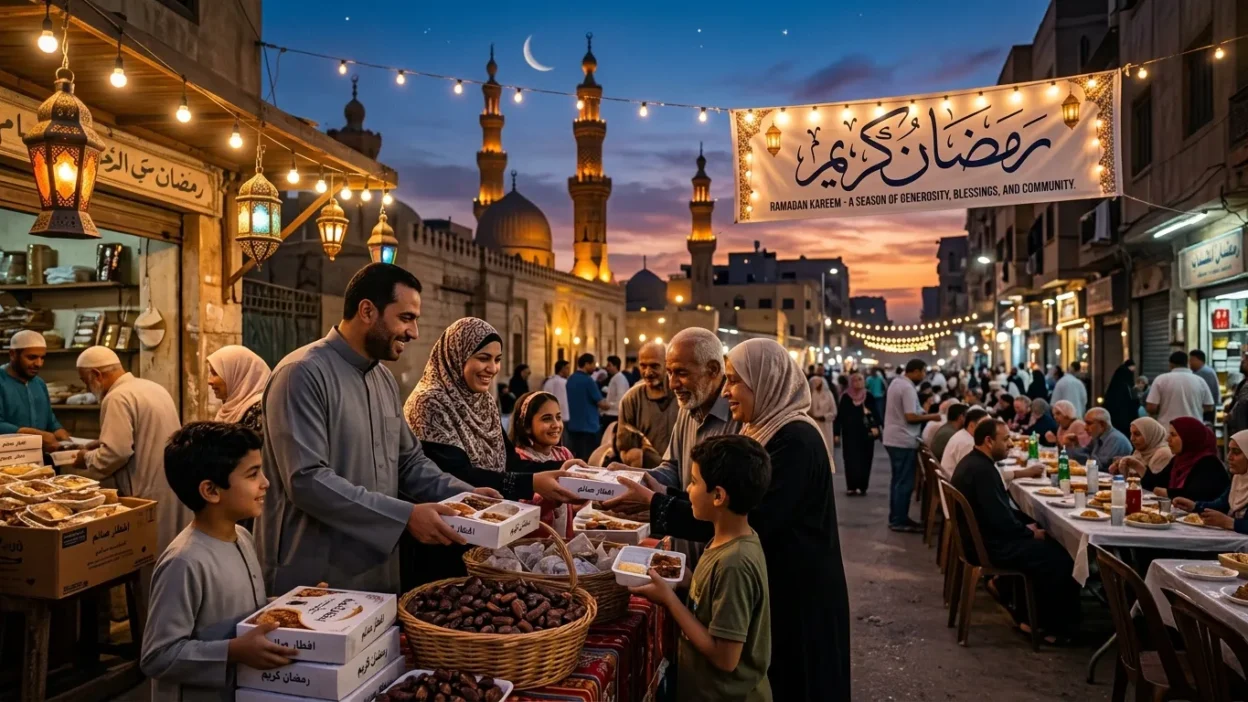
Have you ever opened your phone during the holy month of Ramadan and seen someone message, “Ramadan Kareem 🌙✨”?
If you’re not familiar with Islamic greetings, you may have wondered what it means and whether you should reply the same way.
Many people see this phrase on social media posts, WhatsApp messages, Instagram stories, or text conversations during Ramadan.
While it may look like a simple greeting, it carries a beautiful and meaningful message rooted in kindness, generosity, and blessings.
Quick Answer:
Ramadan Kareem means “Generous Ramadan” or “May Ramadan be generous to you.
“ It’s a warm, respectful, and friendly greeting used during the Islamic holy month of Ramadan to wish others blessings and happiness.
What Does Ramadan Kareem Mean in Text?
When someone says Ramadan Kareem, they are offering good wishes during the month of Ramadan.
The phrase comes from Arabic:
- Ramadan = The ninth month of the Islamic calendar, observed through fasting, prayer, and reflection.
- Kareem = Generous, noble, or bountiful.
Together, Ramadan Kareem expresses the hope that Ramadan brings generosity, blessings, mercy, and spiritual rewards.
Example:
Friend: Ramadan Kareem! 🌙
You: Ramadan Kareem to you too! May you have a blessed month.
In short: Ramadan Kareem = Generous Ramadan = A greeting wishing blessings during Ramadan.
Where Is Ramadan Kareem Commonly Used?
You’ll see and hear Ramadan Kareem almost everywhere during Ramadan.
📱 Social Media
- Instagram captions
- Facebook posts
- TikTok videos
- X (Twitter) posts
- Snapchat stories
💬 Text Messages
- WhatsApp chats
- Messenger conversations
- SMS texts
- Family group chats
🕌 Community and Religious Settings
- Mosque gatherings
- Islamic events
- Charity programs
- Community celebrations
📧 Professional Greetings
- Workplace emails
- Company newsletters
- Business messages during Ramadan
Tone of the Phrase
✅ Respectful
✅ Friendly
✅ Warm
✅ Appropriate for formal and casual situations
✅ Social-media friendly
Examples of Ramadan Kareem in Conversation
Here are some realistic examples of how people use Ramadan Kareem in chats and texts.
Example 1
A: hey, Ramadan starts tomorrow 🌙
B: Ramadan Kareem! May it be a blessed month for you 😊
Example 2
A: just wanted to wish you and your family well
B: thank you! Ramadan Kareem 🌙✨
Example 3
A: Ramadan Kareem ❤️
B: Ramadan Mubarak to you too!
Example 4
A: hope your fasting is going well
B: Alhamdulillah, Ramadan Kareem 🌙
Example 5
A: sending love and prayers this Ramadan
B: Ramadan Kareem 🙏
Example 6
A: wishing everyone peace and blessings
B: Ramadan Kareem ✨🌙
Example 7
A: have a wonderful Ramadan
B: thank you! Ramadan Kareem 😊
When to Use and When Not to Use Ramadan Kareem
Although Ramadan Kareem is widely accepted and appreciated, it’s helpful to know when it fits best.
✅ When To Use
- Wishing someone a blessed Ramadan
- Greeting Muslim friends and family
- Social media posts during Ramadan
- Community events
- Workplace greetings during Ramadan
- Sending holiday wishes
❌ When Not To Use
- Outside the Ramadan month
- In unrelated conversations
- As a replacement for urgent communication
- When discussing serious non-holiday matters
- Randomly without context
Usage Comparison Table
| Context | Example Phrase | Why It Works |
|---|---|---|
| Friend Chat | “Ramadan Kareem 🌙” | Friendly and warm |
| Family Group | “Ramadan Kareem everyone ❤️” | Inclusive and kind |
| Work Chat | “Wishing you a blessed Ramadan.” | Professional |
| “Ramadan Kareem to you and your family.” | Respectful and formal | |
| Social Media | “Ramadan Kareem ✨🌙” | Popular and engaging |
Similar Greetings or Alternatives
Several greetings are commonly used alongside Ramadan Kareem.
| Greeting | Meaning | When to Use |
|---|---|---|
| Ramadan Mubarak | Blessed Ramadan | Most common alternative |
| Happy Ramadan | Wishing a happy Ramadan | Casual conversations |
| Ramadan Greetings | General Ramadan wishes | Formal settings |
| Blessed Ramadan | Religious blessing | Professional and personal use |
| Ramadan Wishes | Good wishes for Ramadan | Cards and messages |
| Peaceful Ramadan | Wishes for peace | Social posts and texts |
Is Ramadan Kareem Formal or Casual?
One reason Ramadan Kareem is so popular is that it works in almost every situation.
Casual Use
- Friends
- Family
- Social media
- Texting
Formal Use
- Workplace emails
- Business greetings
- Community announcements
- School communications
Unlike internet slang, Ramadan Kareem is considered respectful and culturally meaningful.
How Should You Reply to Ramadan Kareem?
If someone sends you Ramadan Kareem, you can respond in several ways:
- Ramadan Kareem to you too 🌙
- Thank you, Ramadan Kareem!
- Ramadan Mubarak 🌙
- Wishing you a blessed Ramadan as well.
- May Allah bless you this Ramadan.
All of these responses are polite and commonly used.
FAQ:
What does Ramadan Kareem mean?
Ramadan Kareem means “Generous Ramadan” and is a greeting wishing blessings and generosity during Ramadan.
Is Ramadan Kareem the same as Ramadan Mubarak?
Not exactly. Both are Ramadan greetings, but Ramadan Mubarak means “Blessed Ramadan,” while Ramadan Kareem emphasizes generosity and blessings.
Can non-Muslims say Ramadan Kareem?
Yes. Non-Muslims often use the phrase respectfully to wish Muslim friends, colleagues, and neighbors a blessed Ramadan.
Is Ramadan Kareem formal?
Yes. It is appropriate in both formal and informal situations.
When should I say Ramadan Kareem?
You can say it throughout the month of Ramadan when greeting others or sending well wishes.
How do you respond to Ramadan Kareem?
Common responses include “Ramadan Kareem to you too” or “Ramadan Mubarak.”
Is Ramadan Kareem used in texting?
Absolutely. It’s widely used in WhatsApp messages, SMS texts, and social media posts.
Can I use emojis with Ramadan Kareem?
Yes. Popular emojis include 🌙 ✨ 🕌 🤲 ❤️.
Conclusion
Ramadan Kareem is a beautiful Arabic greeting that expresses kindness, generosity, and blessings during the holy month of Ramadan.
if you see it in a text message, social media post, workplace email, or family chat, the phrase is a warm way to wish others a meaningful and blessed Ramadan.
It’s respectful, friendly, and suitable for both formal and casual communication, making it one of the most recognized Ramadan greetings worldwide.